Neighbourhood working in 2025 – creating a system that feels more human, responsive, and equitable
As 2025 draws to a close, it feels timely to reflect on the journey of our evolving Neighbourhood model. This year has been marked by significant strides in embedding neighbourhood working as a cornerstone of the local health and care system, while also surfacing the realities of what it takes to make collaboration truly meaningful.
Neighbourhood working was central to the NHS’s 10‑year plan, released in July, and Derbyshire has embraced this vision wholeheartedly. Our Team Up model was highlighted in the plan’s launch as a top example of neighbourhood health, showing how local partnerships can deliver practical, person‑centred solutions that others across the country can learn from.
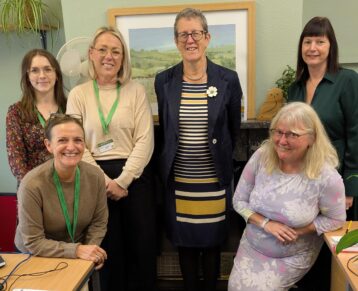
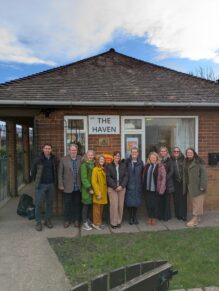
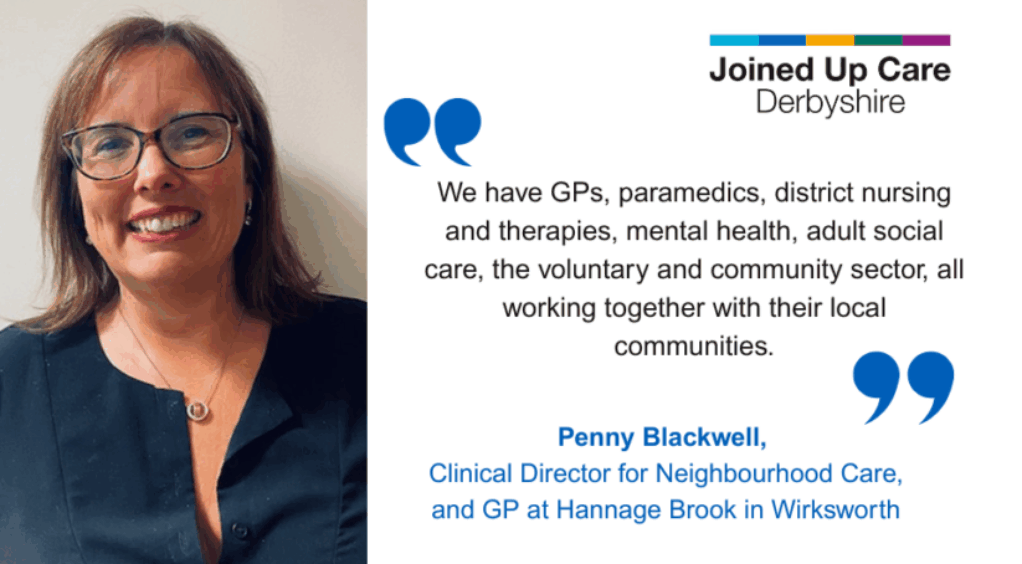
And since then, I’ve had the privilege of visiting four neighbourhoods (with four more planned) across Derby and Derbyshire and seeing the fantastic work we are doing with our community partners and the impact we’re making through joining together, forging relationships and taking action.
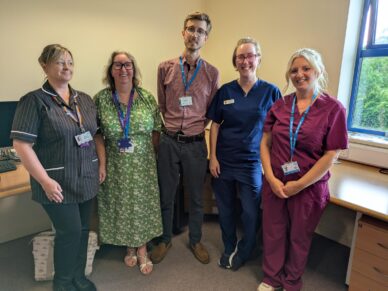
What strikes me most from these visits is the power of connection: when people and organisations come together consistently and collaboratively (not competitively), change happens. In one neighbourhood for example, a weekly “scrum” brings every partner around the table and this helps them work strategically and start to think as one entity with a shared vision.
Voluntary, community, faith and social enterprise organisations are also at the forefront of our local neighbourhood alliances, bringing trust and lived experience that statutory services alone cannot replicate. Their involvement has energised our work, though it also challenges us to simplify processes and reduce bureaucracy so grassroots groups can thrive.
This was powerfully reinforced at the Voluntary Sector Neighbourhood Event earlier this year, where partners from across health, care, and community organisations came together to share experiences and celebrate the role of voluntary groups. It reminded us that if we want neighbourhoods to flourish, we must continue to invest in and champion the voluntary sector.
Integrated Neighbourhood Teams have also expanded beyond older people’s care to tackle wider issues, from health inequalities to justice and policing. The flagship “team‑up” approach has been particularly impactful, with admissions for frail elderly people decreasing thanks to proactive, joined‑up support. This outcome demonstrates the tangible benefits of neighbourhood working—not just in theory, but in measurable improvements to people’s lives.
Another key enabler has been the Neighbourhood Executive, which I chair and ensure oversees the neighbourhood model by providing strategic direction. Its leadership has helped to fast forward work in several core areas, including strengthening end of life care pathways, developing the local navigation hubs to simplify access to community care for residents, and driving the wider community transformation programme. By coordinating across organisations and keeping neighbourhood priorities at the forefront, the Executive has accelerated progress that might otherwise have taken years to achieve.
This year we also held two Neighbourhood Health Summits, bringing people together from across the system to share learning, celebrate progress, and strengthen collective ambition. It was wonderful to bring the people together who – cross sector – will be driving this work and the energy, commitment, enthusiasm and knowledge in the room was tremendous.
Alongside this, we launched a new series called Leading Differently in Neighbourhoods, focused on cultural values and how we can lead with core principles such as inclusivity (communities driving change), trusted relationships across organisational boundaries, and authenticity. These conversations have been vital in shaping the way we work together, ensuring that neighbourhood leadership is has a governance structure enabled by relational and distributed leadership values. More on this as we head into 2026 and getting deeper into the impact and action communities are seeing.
Looking ahead, the new year will see the rollout of a Neighbourhood Health Programme for health and care professionals across Derby and Derbyshire. This is designed to refine and further develop the model, bringing partners closer together and deepening the shared understanding of what neighbourhood working means in practice. By investing in professional development and collaborative learning, the programme will strengthen the foundations of partnership and ensure the neighbourhood model continues to evolve in line with local needs and aligned to national strategy. Local first.
Challenges remain—procurement complexity, risks of siloed working, old leadership styles and the need for sustained investment in voluntary capacity—but the energy across Derbyshire is undeniable. The reflections from 2025 make one thing clear: neighbourhood working is no longer a pilot or experiment. It is the future of health and care in Derby and Derbyshire, creating a system that feels more human, responsive, and equitable. The task for 2026 is to build on this momentum and keep neighbourhoods at the heart of our community transformation.