
Belper GP surgeries bring community together to tackle frailty earlier
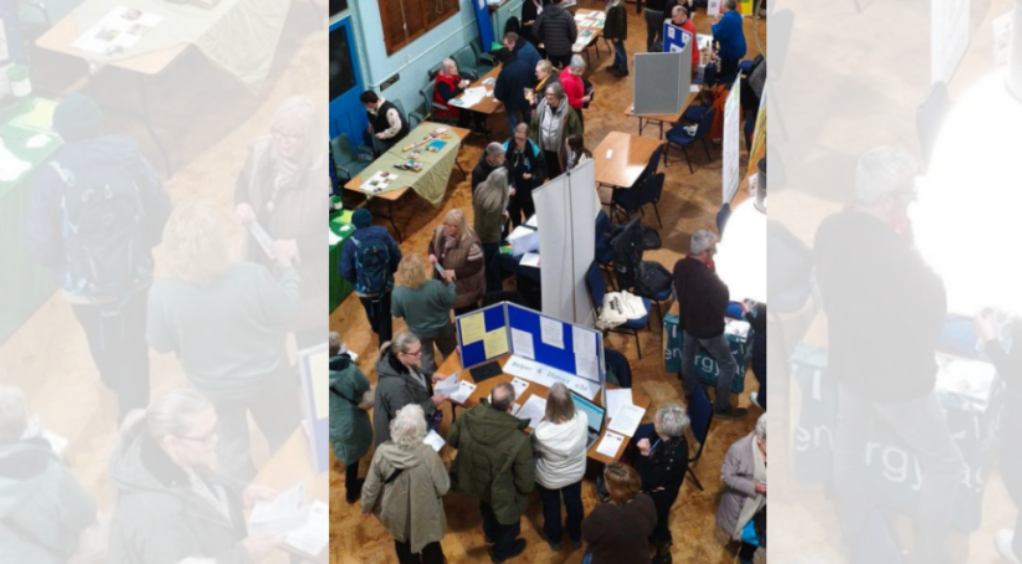
Four GP surgeries in Belper united police, fire, hospital, voluntary and community partners in a one‑stop event designed to help people stay active, independent and less likely to develop frailty.
The event, run by the Belper Primary Care Network which includes the four GP surgeries, is part of a wider neighbourhood‑based movement to promote self‑care, independence and to meet the needs of the local population.
Dr Amelia Saunders, a GP and population health fellow in the Hub Plus general practice Clinical Fellowship programme, has been researching the high‑intensity users of the local Team Up service, which supports complex patients in the community.
Her analysis found that many people with frailty who were requesting several appointments a month had recently been bereaved, were struggling with isolation, and often did not have an advanced care plan in place.
“Frailty develops slowly, often over years, but we tend to meet people when they’re already in crisis,” Dr Saunders says. “My fellowship is about changing that – improving the care people with frailty are getting today but also bringing support into the community, connecting services and helping people without frailty to stay independent for longer.”
The Ageing Well Community Event was the first major step, bringing more than 25 organisations together under one roof. More than 80 local residents took part in falls‑prevention workshops, chair‑based exercise, lifestyle medicine talks, NHS App support and informal conversations with local services. Many signed up to new activity groups, sought smoking cessation help or connected with volunteering opportunities.
“The atmosphere was brilliant,” Dr Saunders said. “People felt comfortable asking questions they might never raise in a GP appointment and there was a real buzz. People left feeling motivated and more in control of their health.
“What was really interesting was the information people gave us about why they struggle to connect with others. The condition of pavements and roads was crucial, for example, and that shows us the importance of working with our council colleagues to tackle the wider determinants of health that give people the confidence to just go out.”
There was strong engagement and follow‑up interest in weight management, physical activity programmes, community safety visits and stop‑smoking services. Many highlighted the importance of face‑to‑face contact for older adults who may struggle with digital‑only routes.
Debbie Allen, Clinical Services Manager at Belper PCN, said: “Across the NHS we’re being asked to think differently about prevention, and with the Ten Year Plan and our neighbourhood model, our teams are really keen to put that into practice locally. We wanted to show our support by hosting the event and backing the population health fellowship, because we know it will benefit our patients. What I was so amazed by was how many colleagues gave up their Saturday to be there – our Advanced Clinical Practitioners and nurses used it as a chance to showcase the innovative ways we’re working and we couldn’t be prouder.
The Hub Plus, Derbyshire supports general practice with training, information and strategic workforce support and also sponsor fellowships like Amelia’s. The fellowship focuses on developing the next generation of clinicians skilled in prevention, population health and neighbourhood‑based care.
Dr Susie Bayley, Medical Director for the Hub Plus, said the event demonstrated exactly why the fellowship programme exists.
“Our fellows are helping us rethink how we support people earlier,” she said. “Amelia’s work shows that frailty isn’t just a medical issue – it’s about loneliness, confidence, mobility, bereavement and the everyday barriers people face.
She added: “We want to grow a generation of general practice clinicians who understand population health, who can work across sectors, and who can lead prevention in their neighbourhoods. This is exactly what the fellowship is designed to achieve.”
The approach is part of Derby and Derbyshire’s neighbourhood model, led by Dr Penny Blackwell, Clinical Director for Neighbourhood Care and GP at Hannage Brook in Wirksworth.
“This is neighbourhood working at its best,” said Penny. “Belper PCN is showing how prevention, connection and early support can make a real difference. When we help people stay active and confident, we reduce avoidable need for healthcare and hospital admissions. We improve quality of life and, most importantly, we help people live a healthier life for as long as possible.”
The need for earlier support is growing. Nationally, 60% of people aged 75 live with two or more long‑term conditions, frailty costs the UK an estimated £5.8bn a year, and falls alone cost the NHS £2.3bn. Many residents also face barriers such as transport gaps, digital exclusion and uncertainty about where to find reliable support.